

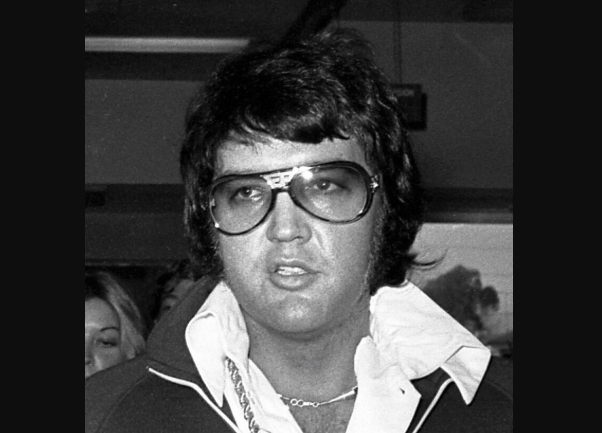
Nearly 50 years after the death of Elvis Presley, questions still surround what really happened in the final moments of the King of Rock and Roll. While official autopsy findings have remained sealed, medical experts now say his death may not only be better understood — but possibly prevented.
Elvis, born in Mississippi and raised to become one of the most influential performers in American history, was found dead on the bathroom floor of his Graceland home in August 1977. He was discovered face-down near the toilet, his pajama bottoms around his ankles, suggesting he had collapsed suddenly while using the bathroom.
By the final years of his life, Elvis’s health had deteriorated dramatically. Years of prescription drug use, combined with a diet heavy in processed, high-fat foods, had taken a severe toll. Once known for his athletic build, he became largely isolated, gained significant weight, and required constant medical care.
According to reports from that period, Elvis was receiving an extraordinary amount of medication. In the seven months before his death alone, he was prescribed thousands of pills, injections, and liquid medications. His poor diet and heavy drug use also led to extreme constipation, a condition that medical professionals now believe played a major role in his death.
A post-mortem examination reportedly revealed impacted waste that had been present in his intestines for months. Investigators later suggested that Elvis likely died while straining on the toilet, triggering what’s known as the Valsalva maneuver — a dangerous physiological response that can sharply alter heart rate and blood pressure.
Dan Warlick, a chief investigator for the Tennessee Office of the State Chief Medical Examiner who witnessed the autopsy, previously said the strain from severe constipation likely compressed Elvis’s abdominal aorta, placing overwhelming stress on his heart.
The full autopsy report was sealed by the Presley family for 50 years and is not expected to be released until 2027, fueling decades of speculation.
Now, medical experts say the tragedy highlights a preventable medical crisis. Dr. Geny Augustine, a family medicine physician with Solace Health, told Mirror US that severe constipation linked to long-term opioid use is a well-known and dangerous condition.
“Severe constipation as a result of prolonged opioid use can certainly be dangerous, and in Elvis’s case, it probably played a significant role in the chain of events that led to his death,” Dr. Augustine explained.
She added that with proper medical attention, the outcome might have been different. “If his constipation had been identified and treated aggressively — with stool softeners, laxatives, proper hydration, and medications designed to counter opioid-related gut slowing — there’s a realistic chance his body would not have been placed under such extreme stress.”
Dr. Augustine also explained how the act of straining itself can become deadly, especially for someone with underlying heart disease. Bearing down can trigger the Valsalva maneuver, causing dangerous swings in blood pressure and heart rate while sharply increasing the heart’s oxygen demand. In vulnerable patients, that stress can lead to fatal heart rhythm disturbances or a heart attack.
In his final days, Dr. Augustine believes Elvis was likely extremely uncomfortable, bloated, nauseated, and struggling to eat — classic warning signs of severe constipation. “Many patients describe it as feeling backed up to the ribs,” she said. “This is never something to ignore, especially when opioids are involved. It’s a preventable complication, and addressing it early can be lifesaving.”
Discover more from
Subscribe to get the latest posts sent to your email.
 What's Up Team
Why was the autopsy report sealed by the family? Where they afraid of what would happen if his fans found out he died of a drug overdose or something? Were his doctors telling him to cut out the bad foods, or were they just pocketing the money they made by overprescribing drugs?