

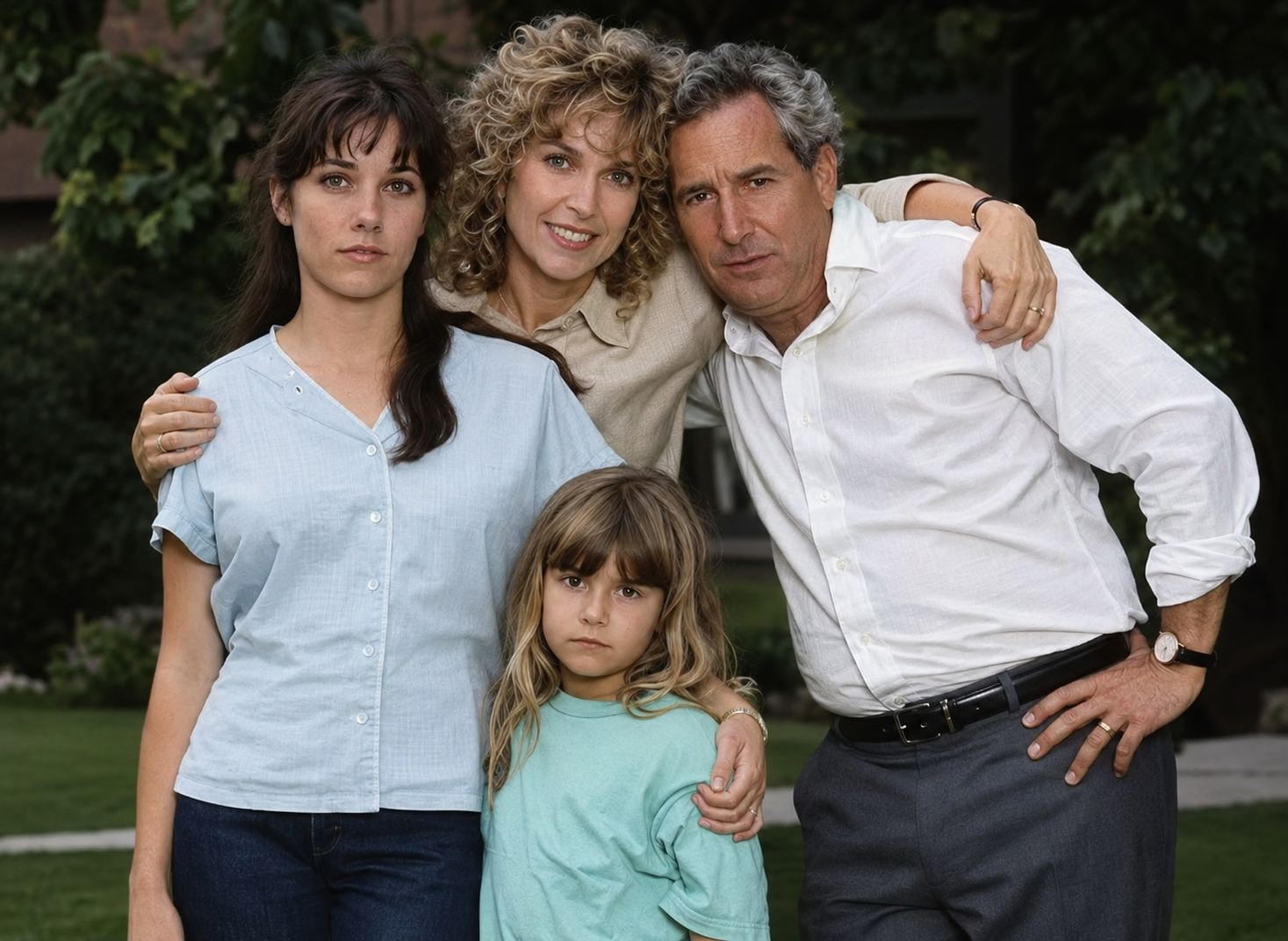
She was the adorable little voice behind one of the most beloved animated characters of the 1980s. But while millions of children would come to love her on the big screen, 10-year-old Judith Barsi was living a nightmare behind closed doors.
And in the months before her horrifying death, the rising Hollywood star made a chilling confession to family friends.
“I’m afraid to go home,” Judith reportedly told them, revealing that she believed her father wanted to kill her mother.
Tragically, her terrifying fears would become reality.
In July 1988, Judith and her mother, Maria, were murdered by her father, Jozsef Barsi, inside their Los Angeles home. He then set the house on fire and took his own life.
The shocking murder-suicide brought an abrupt end to one of Hollywood’s most promising young careers. But what made the tragedy even more heartbreaking was the disturbing series of warnings that emerged afterward — and the revelation that child protection authorities had investigated the family just weeks before the killings.
Judith had already accomplished more in her short life than many performers achieve in decades.
Born in Los Angeles in 1978, the bright-eyed youngster began acting at an early age, eventually appearing in dozens of television commercials and popular shows including Growing Pains, Cheers and St. Elsewhere.
Her big break came in 1987 when she starred as Thea Brody in Jaws: The Revenge. She later landed the voice role of Ducky, the lovable young dinosaur in The Land Before Time, and recorded the character Anne-Marie for All Dogs Go to Heaven.
By age 10, Judith was reportedly earning around $100,000 annually, helping her family purchase a home in the San Fernando Valley.
But her growing success concealed a deeply troubled family life.
According to a 1988 investigation by the Los Angeles Times, her father, a plumber with a history of alcohol problems and threatening behavior, had repeatedly terrorized his wife and daughter.
In one particularly frightening incident, a relative alleged that Jozsef threatened Judith with a knife before she departed for the Bahamas to film Jaws: The Revenge.
The threats reportedly continued even after the young actress returned home.
Friends described a deeply controlling father whose anger frequently frightened those around him. Maria had already reported threats and alleged physical abuse to police in December 1986, but no criminal charges resulted.
Judith, meanwhile, began showing troubling signs of emotional distress.
Her longtime agent, Ruth Hansen, noticed a dramatic change in the once-cheerful young performer. The girl reportedly became increasingly anxious and began pulling out her eyelashes.
In May 1988, Judith broke down during an audition, leaving her agent so concerned that she urged Maria to seek professional help.
A psychologist subsequently reported suspected abuse to Los Angeles County child welfare authorities.
By then, Maria was making plans to escape the increasingly frightening situation at home. She had rented an apartment in Panorama City, hoping to move away from her husband with Judith.
But the mother and daughter never permanently relocated.
In June 1988, county officials closed their investigation after Maria indicated she planned to separate from her husband.
Just weeks later, tragedy struck.
On July 27, firefighters responding to a blaze at the family’s West Hills home discovered the bodies of Judith, Maria and Jozsef.
Investigators determined that Jozsef had fatally shot his wife and daughter before starting the fire and killing himself.
Judith was just 10 years old.
The heartbreaking discovery sent shock waves through Hollywood, particularly among those who knew how frightened the little girl had become.
But the tragedy soon raised another devastating question: Could her life have been saved?
As disturbing details emerged, Los Angeles County’s child welfare system came under intense scrutiny.
A county advisory commission reviewed the case and concluded that the investigation had been closed prematurely. Officials also revealed that the social worker assigned to the family had been handling 67 cases, far above the workload considered manageable.
The agency’s director defended its handling of the case, but the commission called for stronger safeguards, particularly when children were exposed to domestic violence and emotional abuse.
Judith’s death became a haunting example of how serious warning signs can be overlooked even when concerned adults attempt to intervene.
Her final performances made the tragedy even more poignant.
The Land Before Time arrived in theaters in November 1988, months after her death. Audiences fell in love with Ducky, the cheerful little dinosaur remembered for her enthusiastic catchphrase, “Yep! Yep! Yep!”
The following year, moviegoers heard Judith’s voice once again in All Dogs Go to Heaven, where she played Anne-Marie, a young orphan who befriends a dog named Charlie.
Both films would become cherished childhood classics, preserving the little actress’s voice long after her life was cut short.
Judith and her mother were laid to rest beside each other at Forest Lawn Memorial Park in Los Angeles.
Her grave bears the unforgettable words associated with Ducky, a touching reminder of the happiness she brought to children around the world.
Nearly four decades later, Judith’s story remains one of Hollywood’s most heartbreaking tragedies — a gifted little girl whose future seemed limitless, whose fears were documented, and whose life ended before she ever had the chance to grow up.
Discover more from
Subscribe to get the latest posts sent to your email.