

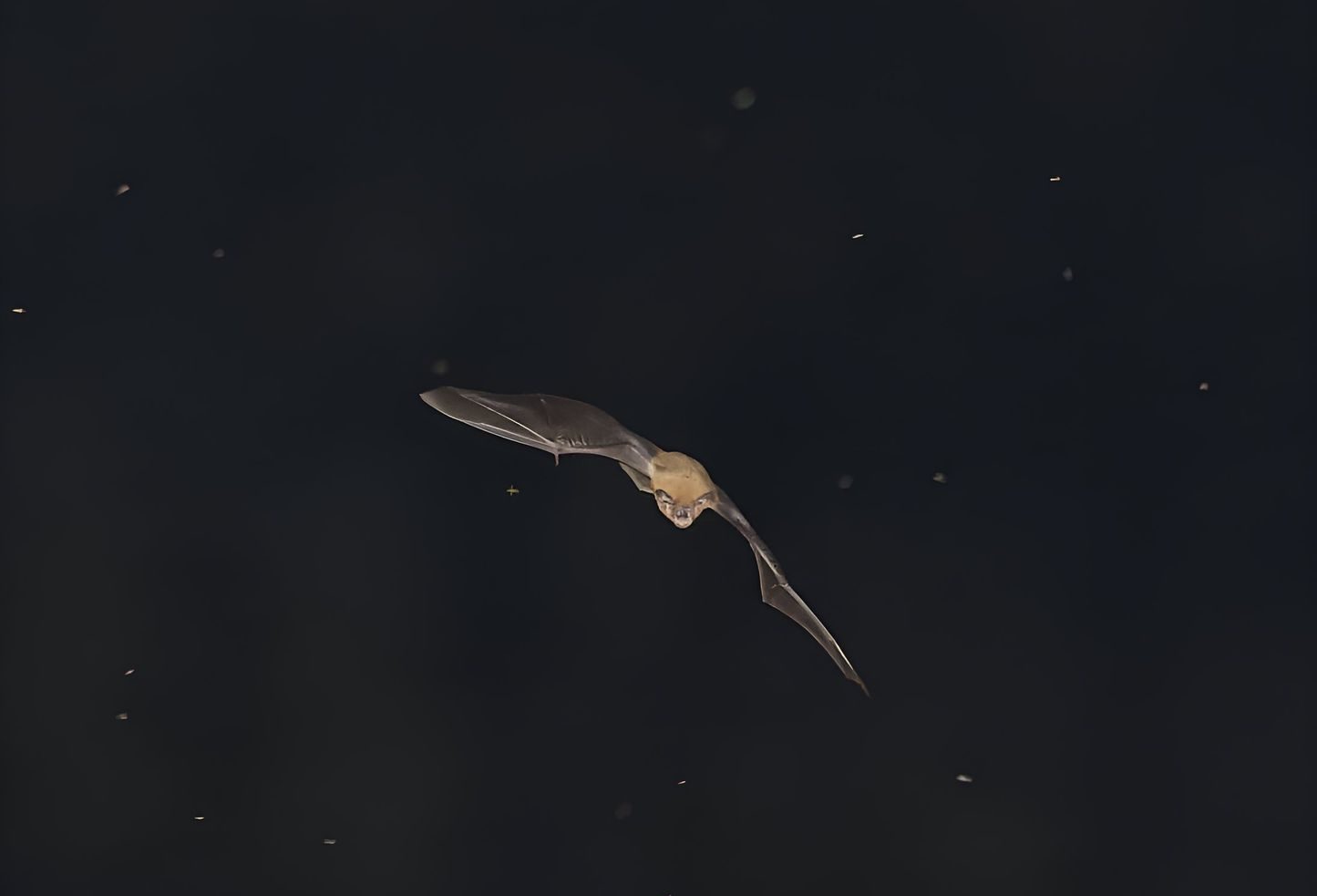
An 11-year-old boy has died from rabies after a bat landed on his face while he was sleeping — in a horrifying case doctors say shows just how easily the deadly virus can go unnoticed.
The chilling incident happened in Northern Ontario, Canada, where the boy was staying during the summer of 2024.
According to a case report, the child had been asleep when he suddenly woke up to find a bat perched directly on his face, covering his nose and mouth.
Startled, he swatted the animal away. His father later caught the bat and released it outside.
At the time, there seemed to be no reason to panic. The boy had no blood, no visible bite marks, no scratches and no obvious injuries. His family said they had no reason to believe the bat had bitten him, so they did not seek urgent medical treatment.
But less than three weeks later, the nightmare began.
About 19 days after the encounter, the boy started feeling sick and developed persistent vomiting. What first seemed like a vague illness quickly turned into something far more terrifying.
He began suffering serious neurological symptoms, including tingling and numbness on one side of his face.
Because the family repeatedly said there had been no known bite, doctors first looked into more common explanations for his symptoms. But as the child’s condition rapidly worsened, rabies was eventually diagnosed.
By then, it was too late.
The virus had already reached his nervous system, where rabies is almost always fatal once symptoms appear.
The boy was hospitalized and placed in intensive care, where doctors provided aggressive supportive treatment for more than two weeks. But nothing could stop the disease from progressing.
Life support was eventually withdrawn, and the child died surrounded by his devastated family.
His death marked Ontario’s first locally acquired human rabies infection since 1967.
Now, the boy’s family has agreed to share his story publicly in the hope that it will save other lives.
Doctors involved in the case say the most frightening lesson is that bat bites can be so tiny they leave no visible mark at all.
“It was important to us and to the family to take the opportunity to find learning experiences and lessons that we could take from his case to try and help spread awareness and understanding of rabies infection and risks,” said Dr. Brian Hummel, a pediatric infectious disease specialist involved in the case.
He warned that the absence of a wound does not mean there was no exposure.
Even brief contact with a bat, especially near the face, should be treated seriously and followed by immediate medical assessment for possible rabies prevention treatment, experts say.
The case, published in the Canadian Medical Association Journal, is one of only a small number of human rabies cases ever recorded in Canada.
In the United States, bats are the leading cause of human rabies deaths, even though the Centers for Disease Control and Prevention says less than 1 percent of bats are believed to carry the virus.
Health experts say the message is simple: if a bat touches you, your child or anyone who is sleeping, seek medical help immediately — even if there is no bite, no blood and no mark.
For one family, what looked like a harmless scare in the middle of the night became an unimaginable tragedy.
Discover more from
Subscribe to get the latest posts sent to your email.