

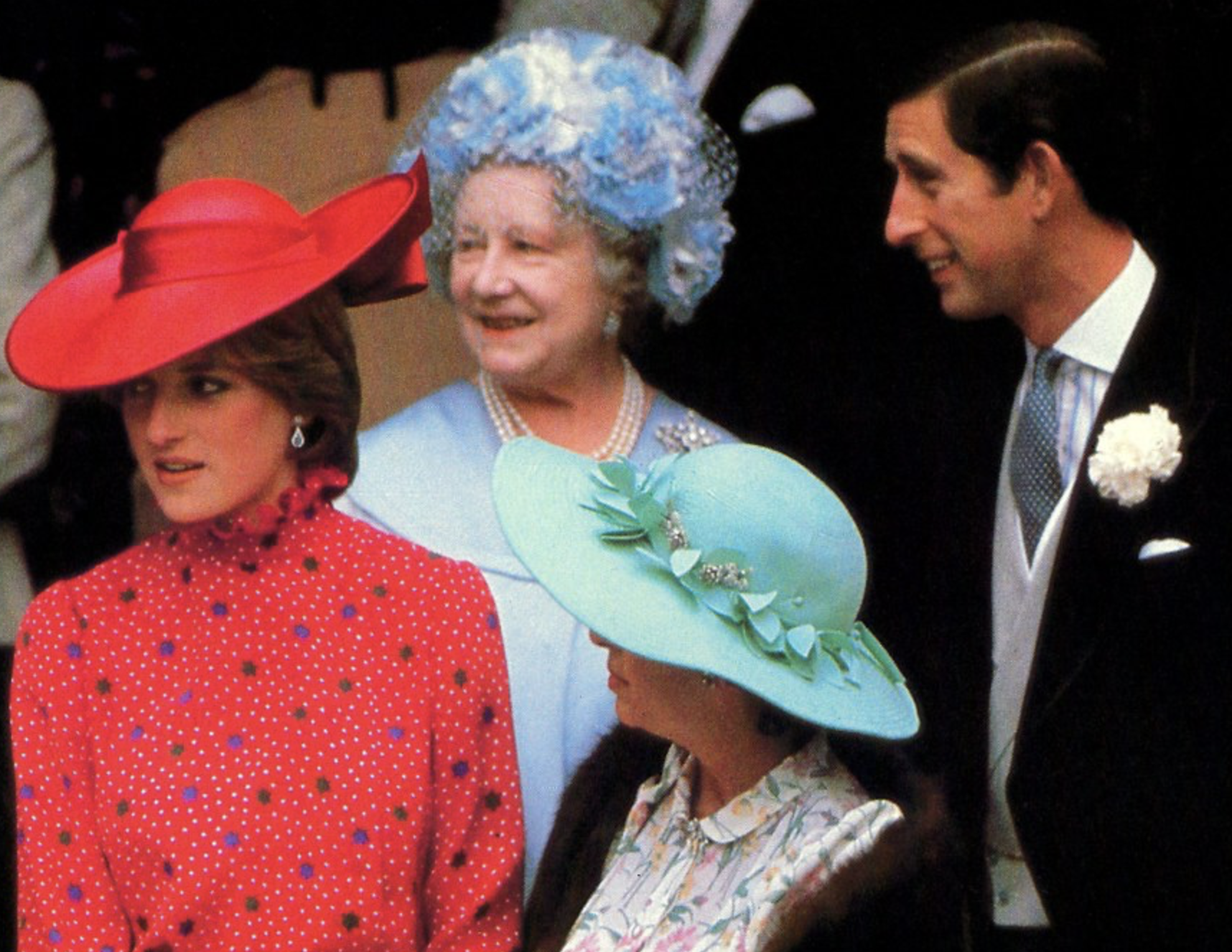
Princess Diana knew something was wrong with Andrew Windsor long before the world caught on.
Decades before he was exiled from royal life and disgraced in the Jeffrey Epstein scandal, the Princess of Wales privately viewed her brother-in-law as entitled, vulgar, and dangerous, sources now tell this outlet.
“She disliked him intensely,” said one former palace insider. “She kept her distance for a reason. Something about him felt off.”
According to multiple sources and royal biographers, Diana, who died in a 1997 car crash in Paris at the age of 36, never warmed to Andrew Mountbatten-Windsor—even during her early years in the royal family.
“She didn’t trust him. She didn’t like how he operated. He always gave her the creeps,” one friend revealed.
Royal historian Andrew Lownie, whose recent book Entitled: The Rise and Fall of the House of York includes Diana’s early impressions, says she found Andrew’s personality abrasive and unsettling.
“She once called him ‘very, very noisy and loud,’ and questioned whether ‘there was something troubling him,’” Lownie wrote. “She said his personality wasn’t for her. She called him lazy and obsessed with watching cartoons all day.”
Lownie also compared Andrew’s short fuse to that of Prince Philip. “He had a short temper, a Germanic sense of humor, and couldn’t tolerate anyone he thought was beneath him,” he said.
Other royal watchers say Diana recognized early on that Andrew’s public persona was a mask for something darker. “She saw him shift from polite to aggressive in a flash,” another biographer noted. “It disturbed her.”
And disturbingly, her instincts may have been dead-on.
Andrew, now 65, has been stripped of his royal and military titles after global outrage over his decades-long friendship with Epstein, the late pedophile financier. His now-settled civil case involving Virginia Giuffre, a woman who accused him of abusing her when she was a teen, further tanked his reputation. He denies wrongdoing.
King Charles officially exiled him from royal duties in 2023.
While Charles was viewed as cerebral and reserved, Andrew was seen as brash, entitled, and insecure—especially about being the “spare.”
“Diana believed he resented not being born first,” said a palace aide. “She thought it poisoned how he treated people. He carried a chip the size of Buckingham Palace.”
Author Tom Quinn, in Yes Ma’am: The Secret Life of Royal Servants, backs this up. “If he liked you, he could be generous,” Quinn wrote. “But he loved lording over people. The moment something went wrong, he’d lash out—rude, imperious, cruel.”
Diana’s friends say she quickly realized he wasn’t someone to confide in.
“She never left her kids alone with him. That’s how little she trusted him,” said one former staffer.
Although Diana and Andrew were closer in age than she and Charles (she was born in 1961; Andrew in 1960; Charles in 1948), she was never interested in him romantically, despite speculation from royal matchmakers.
“She said he was childish and idle,” said royal author Ingrid Seward in My Mother and I. “She saw him as someone who watched TV all day and did nothing. She wanted a prince. Not a petulant boy.”
Queen Elizabeth reportedly thought Diana and Andrew might have made a good match. But Diana shut that idea down fast.
“She said she was never drawn to him,” Seward wrote. “It was always Charles. Even with all his flaws.”
With the Epstein scandal casting a permanent shadow over Andrew’s legacy, many royal watchers now see Diana’s instincts as chillingly prescient.
“She didn’t have proof of anything,” a source said, “but she didn’t need it. She sensed danger. And she wanted nothing to do with it.”
For a woman who was often underestimated, this may be the clearest example of her emotional intelligence—spotting the rot long before it was exposed to the world.
“She had a radar for bad men,” the source added. “And Prince Andrew lit it up.”
Discover more from
Subscribe to get the latest posts sent to your email.
StopSent from my iPhone