

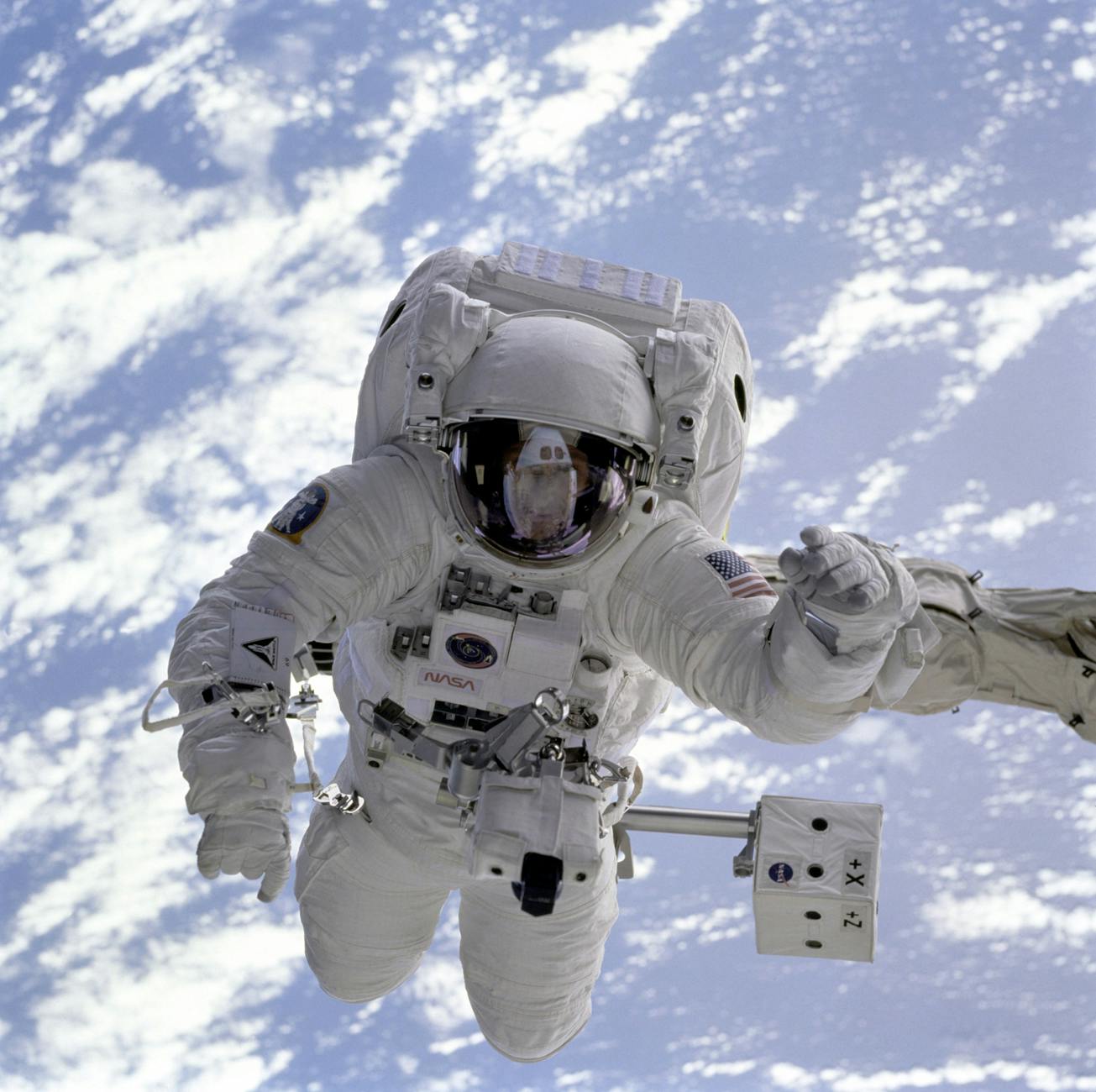
In a move that sounds straight out of science fiction, the European Space Agency (ESA) has announced a groundbreaking experiment: turning astronaut urine and carbon dioxide into edible protein.
The test, set to take place aboard the International Space Station (ISS), will determine if a new protein powder called Solein — created by Finnish biotech company Solar Foods — could one day sustain astronauts on long missions to the Moon or Mars.
Solein is unlike any food currently used in space. It’s made by feeding hydrogen-oxidizing microbes with gases, electricity, and urea — the nitrogen compound found in human urine. The process produces a nutrient-rich protein powder that Solar Foods claims can be made “out of thin air.”
“This project is just the beginning,” said Arttu Luukanen, senior vice president of space and defense at Solar Foods. “We’re working toward operational capability — producing Solein on multiple scales in space. By 2035, our vision is that Solein will be the mainstay protein of space explorers.”
The ESA-funded mission, dubbed HOBI-WAN (short for Hydrogen Oxidizing Bacteria in Weightlessness As a source of Nutrition), marks the first attempt to use gas fermentation technology in microgravity.
In space, every drop counts. Recycling human waste has long been a focus for space agencies — astronauts aboard the ISS already drink purified water made from urine. But this new experiment takes sustainability even further, potentially allowing future space travelers to eat nutrients derived from their own bodies.
“The behavior of gases and liquids in microgravity is vastly different,” Luukanen explained. “Without buoyancy, the transport of nutrients and gases for Solein microbes changes completely. That’s why testing this in orbit is essential.”
For the ESA, this isn’t just about convenience — it’s about survival. With limited cargo space and high launch costs, every gram of food sent to space matters. If successful, Solein could make missions to Mars more self-sufficient, slashing the need for costly resupplies from Earth.
“This project aims at developing a key resource to improve human spaceflight’s autonomy and resilience,” said Angelique Van Ombergen, ESA’s chief exploration scientist. “For humans to live on the Moon or travel to Mars, we need innovative and sustainable food systems. This could be one of them.”
Solar Foods, which already markets Solein on Earth as an eco-friendly alternative to animal protein, says the ISS experiment could pave the way for off-world farming. On Mars, where resources are scarce, the technology might help create an entirely circular food ecosystem — powered by electricity, carbon dioxide, and yes, a little bit of human pee.
If it works, tomorrow’s astronauts might sit down to a protein shake made from nothing but air, electricity, and their own recycled waste — the ultimate closed-loop meal.
Source: European Space Agency, Solar Foods, The Independent
Discover more from
Subscribe to get the latest posts sent to your email.
 What's Up Team
You can do that sorry will never drink my own pee ..so up yours U DRINK IT AND THEN SEE WHAT YOU R GONNA SAY….AND THIN AIR I HOPE SPACE ✖️ 🚀 🚀 R ABLE TOO BRING THEM BACK SAGELY LIKE HE DID WITH NASA\’S ASTRONAUT SAFELY HOME GOD BLESS ELON MUSKS AND SPACE ✖️🚀🚀