

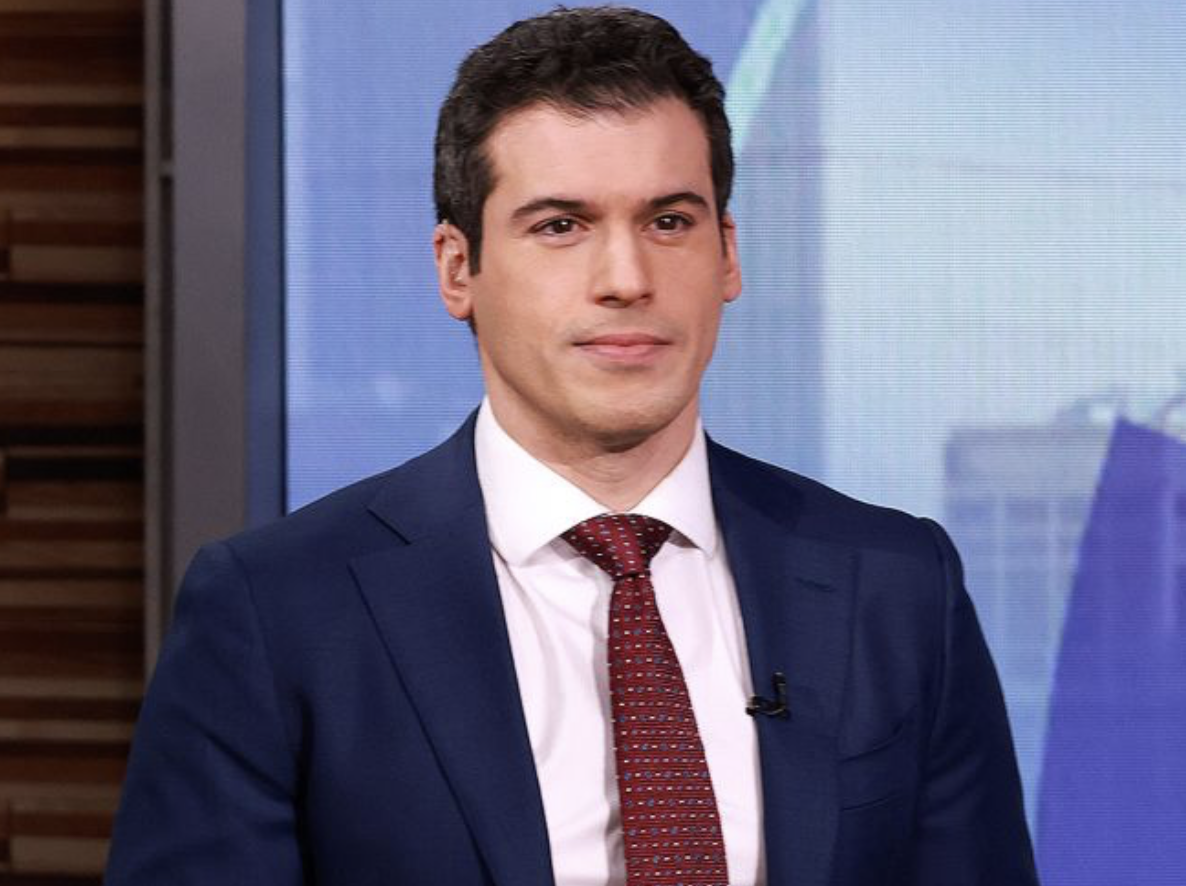
“Good Morning America” anchor Gio Benitez is opening up about a frightening medical discovery that left him fearing he might die in his sleep, despite years of being told his heart was healthy.
The 41-year-old ABC News correspondent revealed Tuesday that he has been diagnosed with coronary artery disease, a potentially dangerous condition that can lead to heart attacks. The diagnosis came as a complete shock to Benitez, who exercises regularly, maintains a healthy diet and had previously passed a cardiac stress test without any concerning results.
But a simple heart scan uncovered something his earlier examinations had missed.
Speaking to PEOPLE, Benitez admitted that the news sent him into an emotional spiral, triggering nightly panic attacks as he confronted a fear that had haunted him since childhood.
“I actually had panic attacks every night for about a week after I heard,” he said, explaining that his anxiety often overwhelmed him when he was alone or after his husband, entertainment reporter Tommy DiDario, had fallen asleep.
His terror was rooted in a devastating family history. Benitez lost his grandmother to a heart attack at just 61, while an aunt and two uncles also suffered heart attacks at relatively young ages. Another grandfather required triple bypass surgery.
Having witnessed the toll of heart disease on his family, Benitez had long worried that he could suffer the same fate.
Those concerns eventually led him to ABC News chief medical correspondent Dr. Tara Narula, a practicing cardiologist who recommended a coronary artery calcium scan after reviewing his family history.
Although Benitez initially postponed the appointment because of his demanding work schedule, he finally underwent the test earlier this month.
The scan, which takes only a few minutes, measures calcium deposits in the arteries supplying blood to the heart. Benitez expected a score of zero, indicating no detectable calcified plaque.
Instead, his results came back at 137, a reading associated with elevated cardiovascular risk.
Suddenly, the seemingly healthy television personality was facing a diagnosis he never imagined receiving at 41.
“My worst fear, coming true,” he told PEOPLE, recalling his disbelief.
Narula explained that a normal stress test does not necessarily rule out coronary artery disease. While stress tests evaluate how the heart functions during physical exertion, calcium scans detect calcified plaque that can accumulate silently over time.
In Benitez’s case, his strong genetic risk appeared particularly important, even though he had no obvious symptoms and generally favorable health markers.
The diagnosis does not establish how severely his arteries are narrowed, but it does mean he must take steps to reduce his risk of future cardiovascular complications.
Fortunately, Benitez has already begun treatment and says his latest blood work shows encouraging signs. He is also focusing on maintaining a heart-healthy lifestyle while learning to manage the anxiety surrounding his diagnosis.
During Tuesday’s “Good Morning America” broadcast, he appeared optimistic about his future, joking that he planned to increase his cardio workouts and become fitter than ever.
Still, the experience has changed how he views his health.
Benitez says he cannot stop thinking about the relatives he lost and whether earlier detection might have changed their lives. Now, he hopes sharing his own frightening experience will encourage others, particularly those with a family history of heart disease, to speak with their doctors before symptoms develop.
Medical experts emphasize that coronary calcium scans are not necessary for everyone and that screening decisions should be based on individual risk factors.
For Benitez, however, the unexpected discovery has become both a wake-up call and an opportunity to take action against a disease that has devastated his family for generations.ABC News+2
Discover more from
Subscribe to get the latest posts sent to your email.
 What’s New Today