

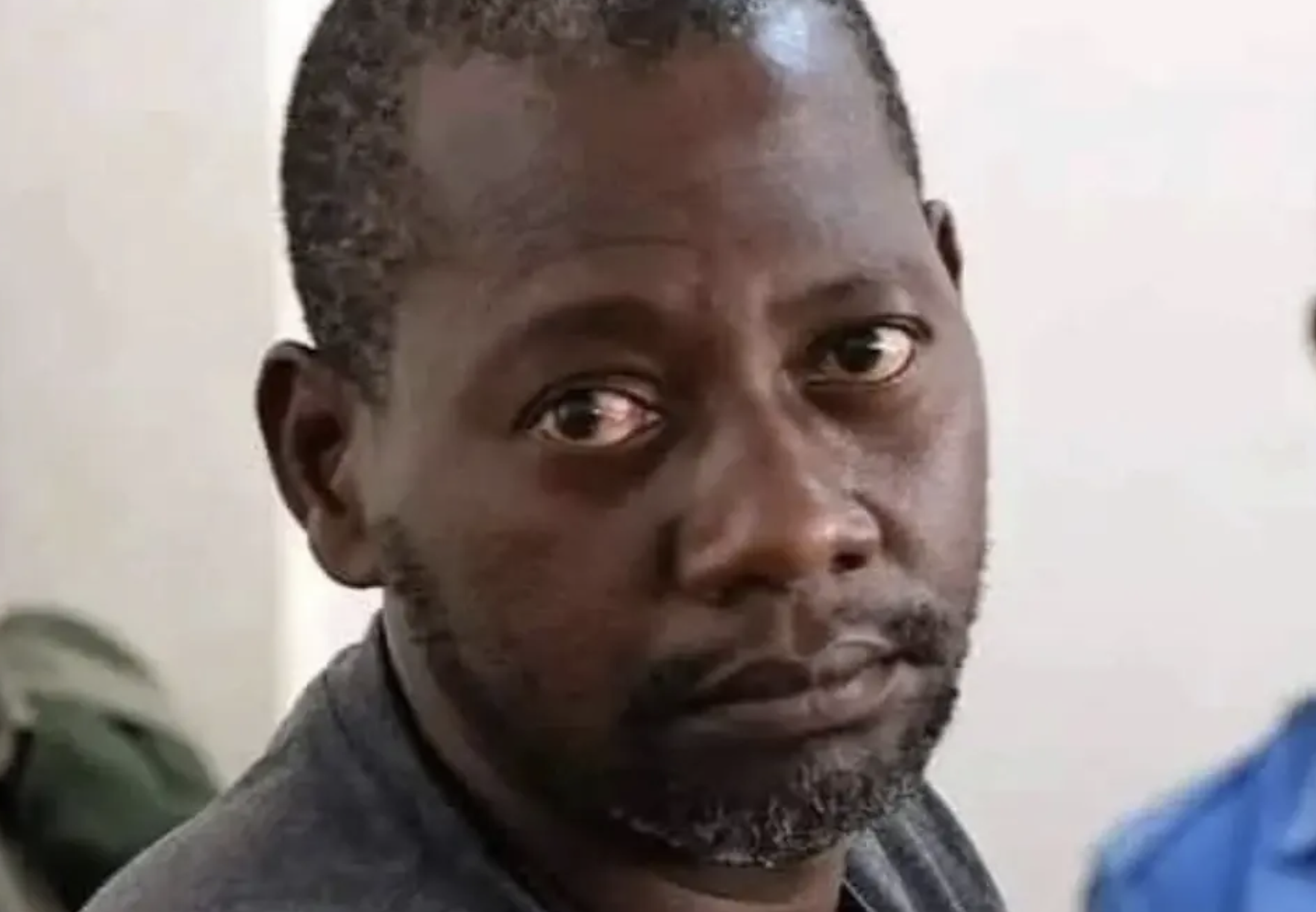
A self-proclaimed pastor who convinced followers that starving to death would bring them closer to Jesus has been convicted of murdering 190 children and one adult in one of the deadliest cult-related tragedies in recent history.
Paul Mackenzie, the leader of Kenya’s Good News International Church, was found guilty alongside 28 associates on Monday, October 19, after a court determined that he orchestrated a deadly campaign of religious manipulation, forced fasting and isolation.
The verdict comes more than three years after investigators began uncovering hundreds of bodies buried in shallow graves in Kenya’s remote Shakahola Forest, exposing a disturbing operation that had continued despite earlier warnings to authorities.
During an eight-hour judgment, Justice Diana Kavedza Mochache described how Mackenzie persuaded followers that he spoke on behalf of Jesus and that death through fasting was a path to heaven.
According to testimony presented at trial, the preacher instructed followers to begin the deadly fasting process with children, followed by young people, women and men. Mackenzie and his family were supposed to be among the last to die.
The court heard that some parents believed their children’s deaths represented spiritual achievements rather than tragedies. Burial ceremonies were even described as weddings, with deceased followers celebrated for supposedly joining Jesus.
But investigators uncovered evidence that the fasting was not always voluntary.
Survivors described being denied food and water, while guards prevented followers from escaping. Those who resisted reportedly faced beatings, confinement and other forms of violence.
Medical examinations also revealed that starvation was not the only cause of death. Some victims had suffered injuries consistent with physical violence or suffocation.
The court rejected Mackenzie’s argument that followers had willingly chosen to fast, emphasizing that children could not consent to practices that endangered their lives.
“A parent has no legal entitlement to determine that a child should die in pursuit of a religious belief,” the court ruled.
The revelations stunned Kenya and drew international attention after police began searching Shakahola Forest in April 2023.
More than 400 bodies were eventually recovered, many belonging to children. Investigators faced enormous challenges identifying the victims, with only a small number positively identified.
The 191 murder convictions represent just part of the larger tragedy, as investigations into additional deaths continue.
Mackenzie’s influence stretched back decades. A former taxi driver, he established Good News International Church in 2003 and gradually developed an increasingly extreme religious message.
He discouraged followers from sending their children to school, seeking medical treatment or maintaining connections with the outside world. His sermons warned that the end of the world was approaching.
Authorities had been aware of troubling allegations surrounding his activities years before the mass graves were discovered.
In 2017, police searched his compound and discovered dozens of children who were not attending school. His church was shut down in 2019, but he continued his activities after relocating followers to the isolated forest.
The case has since raised serious questions about whether earlier intervention could have prevented hundreds of deaths.
Kenyan President William Ruto previously acknowledged that government agencies should have done more to stop the tragedy, while the Kenya National Commission on Human Rights criticized failures in the investigation and prosecution process.
For grieving families, the conviction represents a long-awaited measure of justice.
William Ponda Ngala, who lost his mother, older brother and two nephews, told the Associated Press that his family could finally feel some relief knowing those responsible had been convicted.
Yet the legal proceedings are far from over.
Prosecutors have also accused Mackenzie of directing activities connected to 52 additional deaths at another location, Kwa Binzaro, even while he was in detention. He has pleaded not guilty in that separate case.
Mackenzie has denied forcing followers to starve, and his attorney has indicated plans to appeal the murder convictions.
A hearing addressing sentencing considerations is scheduled for October 30, with sentencing expected on November 6.
The case has left Kenya confronting a troubling question: How could a preacher already known to authorities maintain enough control over his followers that hundreds of people, including children, lost their lives?
Discover more from
Subscribe to get the latest posts sent to your email.
Now,let him starve!!