

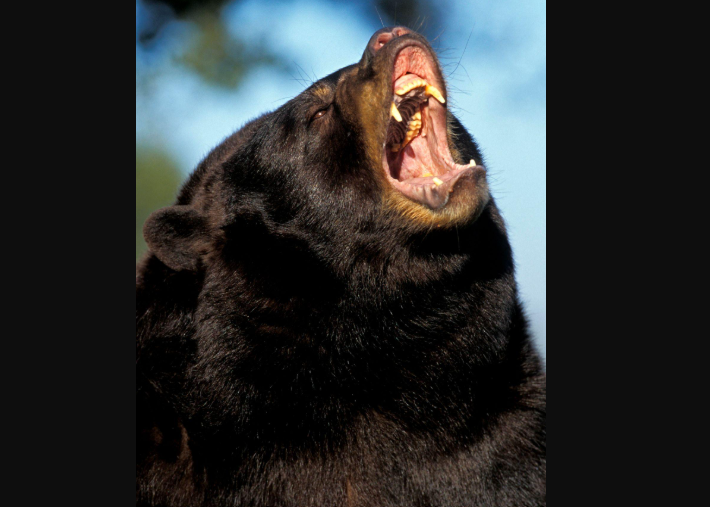
A peaceful Alaska getaway turned into a nightmare when a black bear broke into a remote cabin, chased a couple onto the roof and later killed and partially ate a 33-year-old woman.
The horrifying attack happened while Darcy Staver and her husband, Michael Staver, were staying at a cabin near Glennallen, Alaska.
Michael, an Army captain, and Darcy had traveled to the isolated cabin hoping for a quiet break from military life.
Instead, they woke to loud rustling and cracking noises outside.
Moments later, a black bear weighing about 150 pounds reportedly smashed through a window and entered the cabin.
The couple bolted through the front door and climbed onto the roof.
But the bear would not back off.
It allegedly forced its way through the cabin door and continued pursuing them.
Michael fired several warning shots from a .22-caliber handgun, but the shots failed to scare the animal away. He reportedly realized the weapon was too small to reliably stop the bear.
With few options, Michael climbed down from the roof and headed for a motorboat so he could get help from nearby neighbors.
When he returned with a neighbor, Darcy was gone.
The men began searching around the cabin and eventually made a horrifying discovery.
Darcy was found behind the cabin with catastrophic injuries to her abdomen and multiple wounds that indicated she had fought desperately during the attack.
Nearby, the bear was feeding on her body.
Michael then shot and killed the animal with a rifle.
Wildlife officials later examined the bear and were left with a disturbing mystery.
The animal was about 15 years old and reportedly showed no obvious signs of starvation or rabies that might have explained such unusually aggressive behavior.
Investigators also concluded the bear had apparently climbed a tree to reach the cabin area where Darcy had tried to escape.
The attack drew renewed attention to the rare but terrifying possibility of predatory attacks by black bears.
Black bear attacks on humans are considered uncommon, and fatal attacks are even rarer.
Cathy Harms, a spokeswoman for Alaska’s Department of Fish and Game, later described deadly black bear maulings as “unusual” but “not unprecedented.”
Bear researcher Stephen Herrero has also argued that some black bear attacks, particularly in remote wilderness areas, may be predatory rather than defensive.
“Together these incidents confirm the somewhat controversial conclusion reached in 1985 that black bears can on rare occasions attempt to or even successfully prey on people,” Herrero said.
He suggested such incidents may occur more frequently in isolated regions where bears have had limited contact with humans.
The tragedy became even more frightening when another fatal bear attack was reported in Alaska just two days later, this time involving a 6-year-old boy.
The killings reportedly sparked widespread fear and anger among residents, with some Alaskans beginning to shoot bears they encountered.
More than three decades later, exactly why the bear targeted Darcy remains unclear.
There was no obvious food shortage, no confirmed disease and no simple explanation for why the animal pursued the couple so relentlessly.
For wildlife experts, the case remains a chilling example of how even black bears, which usually avoid people, can under rare circumstances view a human as prey.
Discover more from
Subscribe to get the latest posts sent to your email.
Sent from Yahoo Mail for iPhone
Big surprise!
No weapon, or at least bear spray? Dumb asses.