

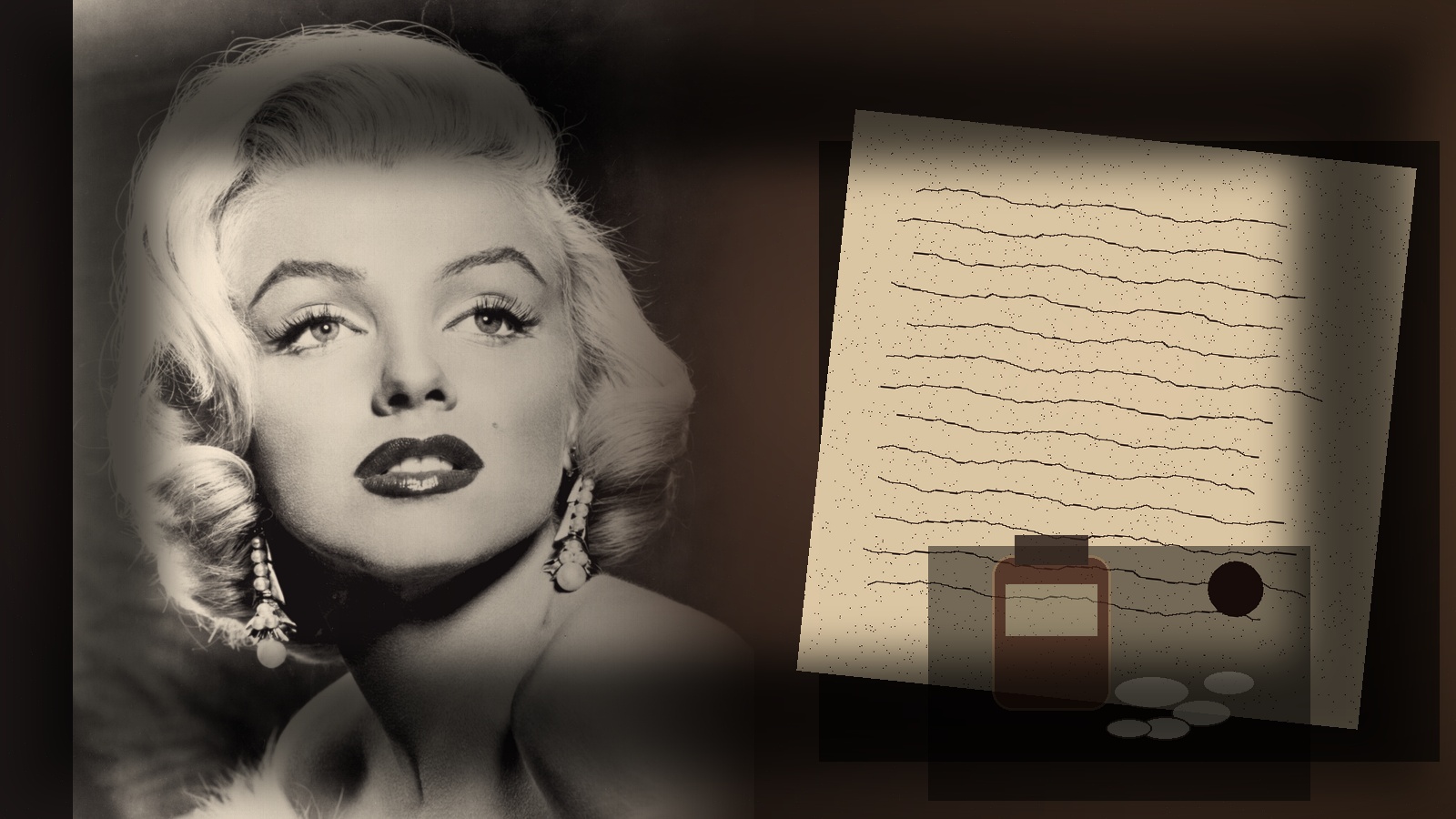
Marilyn Monroe was the ultimate Hollywood bombshell, but behind the glowing smile, platinum curls, and movie-star glamour was a woman haunted by pain, loneliness, and one dream she feared she had destroyed.
The late screen legend reportedly worried that her use of sleeping pills and alcohol may have played a role in the loss of an unborn child, according to a heartbreaking handwritten letter that has cast new light on her private torment.
Monroe, who died in 1962 at just 36 years old, spent much of her short life battling severe health problems, emotional turmoil, and a desperate longing to become a mother.
Now, decades after her death, the tragic note reveals just how terrified she was that the pills and booze she turned to during moments of suffering may have harmed the baby she so badly wanted to keep.
Born Norma Jeane Mortenson, Monroe became one of the most famous women in the world. But fame could not protect her from the painful medical battles that reportedly plagued her for years.
The actress suffered from severe endometriosis, a brutal condition that can cause intense pain and fertility problems. Over time, it reportedly led to repeated hospital stays, powerful medications, and struggles to carry a pregnancy.
Monroe is believed to have endured fertility heartbreak and multiple suspected miscarriages during her lifetime.
One source familiar with Monroe’s medical history said the tragedy of her story lies in how badly she wanted a child.
“What makes this story so tragic is that Marilyn desperately wanted a baby and genuinely feared that the medication and drinking she turned to in moments of pain may have harmed her pregnancy,” the source said. “Her letter shows panic, guilt and heartbreak all at once.”
The devastating fear was laid bare in a handwritten note that later surfaced publicly and was put up for auction.
In the letter, Monroe described symptoms that made her believe she might have been pregnant.
“I think I’ve been pregnant for about three weeks or maybe two,” she wrote.
She described painful breasts, cramps, and bleeding that appeared to be getting worse.
Then came the gut-wrenching question that revealed her fear.
Monroe wrote that she had taken several Amitall sleeping pills on an empty stomach and had also consumed sherry wine. Then she asked whether she could have “killed it” by doing so.
Her words showed not a glamorous movie queen, but a panicked woman begging for reassurance.
“If it is still alive I want to keep it!” she wrote.
A Monroe historian said the letter was a rare and painful look at the real woman behind the Hollywood image.
“This wasn’t Marilyn Monroe the movie star,” the historian said. “This was a frightened woman confronting the possibility that she might lose the child she had always wanted. The language in the letter reveals how desperate she was for reassurance.”
Monroe’s beauty and fame made her a global sensation, but those close to her have long said her life behind closed doors was far darker than the fantasy sold to the public.
Anthony Summers, author of the 1985 biography Goddess: The Secret Lives of Marilyn Monroe, documented the devastating toll her endometriosis took on her body, her career, her relationships, and her dreams of motherhood.
According to Summers, the condition was so severe it affected nearly every part of her life. He wrote that before modern treatment options were available, Monroe’s pain helped lead to increasing use of strong painkillers, tranquilizers, and sleeping medications.
Bryan Johns, president and chief executive of the ICON Collection, said Monroe’s health problems were often dismissed or misunderstood during her lifetime.
“She had terrible, debilitating endometriosis, and was hospitalized and under medical supervision for that condition throughout her life,” Johns said.
He claimed that even when Monroe told studio bosses about her health struggles, they often accused her of exaggerating or making excuses.
That pressure only added to the heartbreaking image of a woman trapped between the demands of Hollywood and the reality of a body in constant pain.
Family friend and stylist Amy Greene later recalled that doctors once suggested Monroe undergo a hysterectomy because of her suffering.
But Monroe refused.
According to Greene, Marilyn was firm about wanting to become a mother.
“I can’t do that,” Monroe reportedly said. “I want to have a child. I’m going to have a son.”
Greene said Monroe often talked about having a son.
Those words make the resurfaced letter even more heartbreaking.
For millions, Marilyn Monroe remains the ultimate symbol of Old Hollywood glamour. But the private notes and memories left behind tell a much sadder story.
She was not just a sex symbol. She was a woman in pain, a woman desperate for love, and a woman whose dream of motherhood was crushed again and again.
Decades after her death, the tragedy still cuts deep because the fear in her own handwriting is so raw.
Marilyn Monroe had the world at her feet, but the one thing she wanted most may have been the one thing fame could never give her.
Discover more from
Subscribe to get the latest posts sent to your email.