

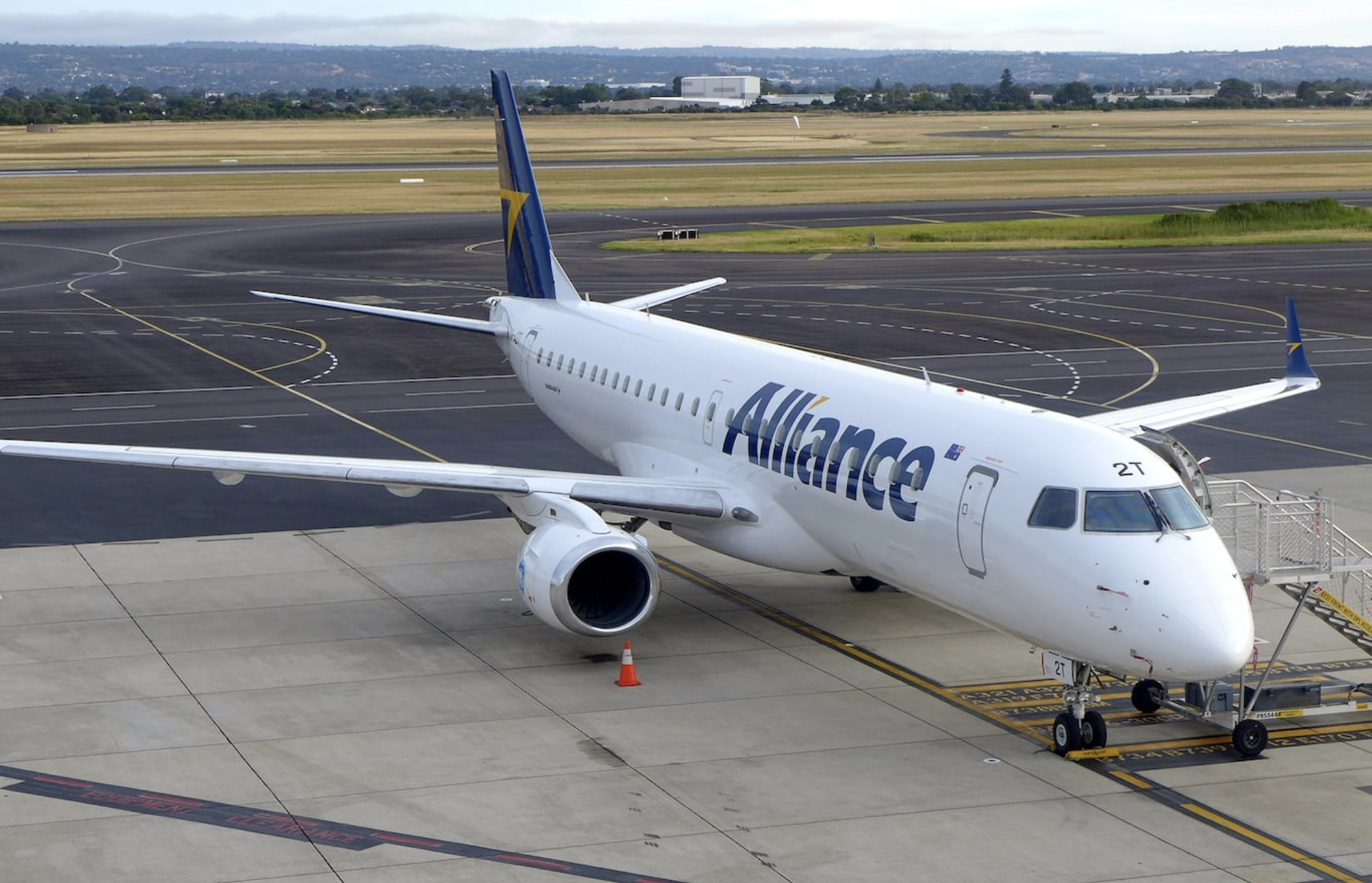
A routine flight turned into a near-disaster when a passenger jet carrying 94 people suddenly veered toward mountainous terrain—all because of a critical oversight in the cockpit.
According to a newly released report from the Australian Transport Safety Bureau, the frightening incident unfolded last July when an Alliance Airlines Embraer ERJ 190 departed Cairns under the cover of night, heading for Brisbane.
But moments after takeoff, something wasn’t right.
The captain quickly noticed the aircraft wasn’t climbing as expected. Behind the scenes, a dangerous chain reaction was already unfolding. Investigators say the pilots became distracted during the critical takeoff phase—and shockingly “inadvertently omitted” retracting the landing gear, a basic but crucial step.
Things escalated fast.
As the first officer initiated a turn and switched on autopilot, the jet suddenly began banking the wrong way—straight toward nearby mountainous terrain. The cockpit crew scrambled as the captain barked instructions to correct course, realizing just how close things were getting.
Then came another risky move.
In a split-second reaction, the captain yanked up the landing gear—but did so while the aircraft was traveling about 17 knots above the maximum safe retraction speed, adding even more danger to an already tense situation.
Miraculously, disaster was avoided.
The plane stabilized, continued its flight, and landed safely with no injuries reported. But the investigation paints a chilling picture of how quickly routine operations can spiral when focus slips—even for a moment.
ATSB Director of Transport Safety Stuart Macleod said the crew became overly focused on the flight path, which increased their workload and delayed their recognition of the critical error.
It’s a stark reminder that even in highly automated cockpits, human attention remains the last line of defense—and when that breaks down, the margin for error disappears fast.
Discover more from
Subscribe to get the latest posts sent to your email.