

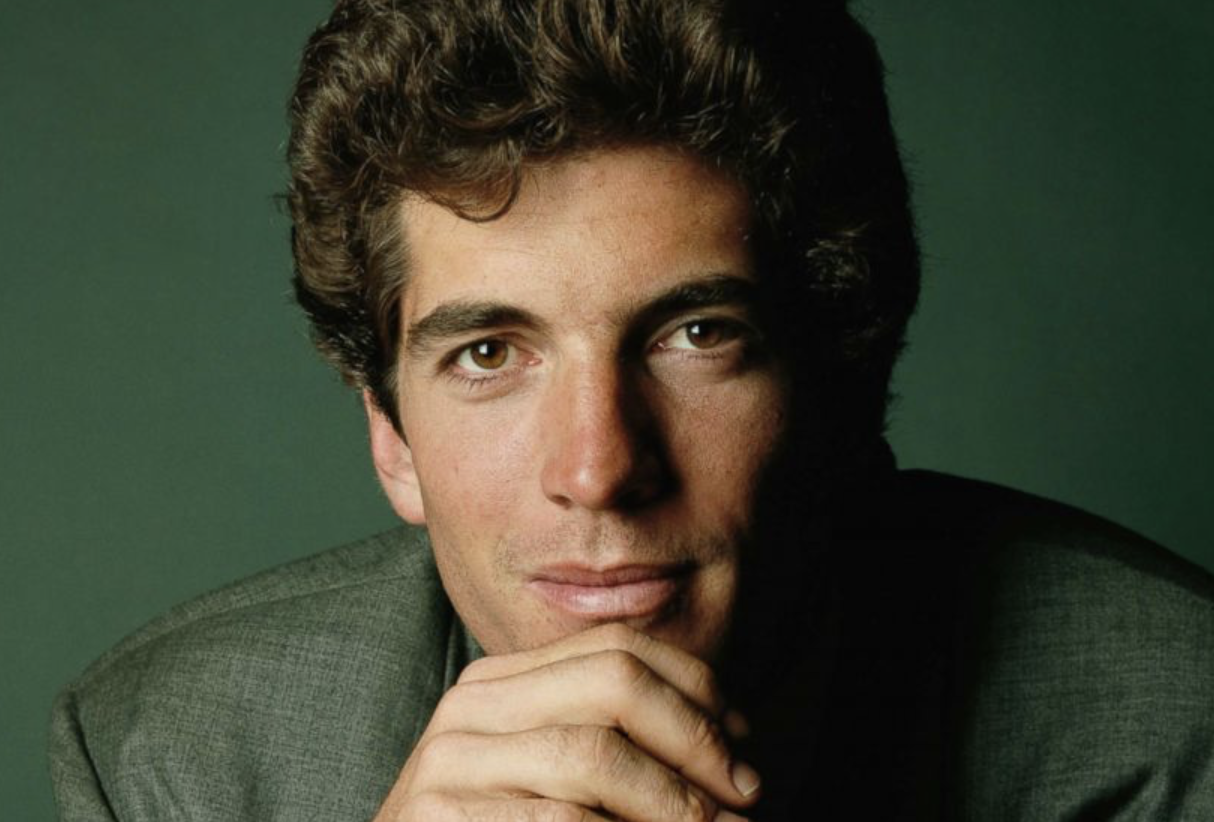
More than 25 years after John F. Kennedy Jr.’s fatal 1999 plane crash, the last person known to have seen him alive says one moment from that night still sticks with him — and it left him deeply unsettled.
Kyle Bailey, now a Fox News pilot and aviation analyst, says he was at Essex County Airport in Caldwell, New Jersey, on July 16, 1999, when JFK Jr. arrived with his wife, Carolyn Bessette Kennedy, and her sister, Lauren Bessette. Bailey, who was also planning to head to Martha’s Vineyard that evening, recalled the airport vibe as normal at first — so normal, he says Kennedy even walked right past him while grabbing a quick snack.
But the weather? That’s where Bailey says everything started to feel “off.”
He describes the conditions as the “three H’s” in aviation: hazy, hot, and humid — the kind of summer mix that can quietly turn dangerous, especially at night and over water.
“I’ve seen John do that trip many, many times,” Bailey recalled, saying it felt like a typical Friday evening. Still, as he kept an eye on the reports, he began to sense visibility would likely get worse near Martha’s Vineyard later on.
At first, he didn’t immediately pull the plug on his own flight. Then the numbers kept moving in the wrong direction.
Bailey said he noticed the temperature and dew point creeping closer together — a red flag that often signals fog is likely to form. And fog plus darkness plus water can be a terrifying combination for a pilot flying under visual flight rules.
On nights like that, he explained, losing the horizon can feel like “jumping off the edge of the earth into a complete sea of darkness.”
Eventually, Bailey made the call Kennedy didn’t: he canceled.
He admitted he was frustrated — but confident it was the right decision.
Then came the moment he can’t shake.
Despite his growing unease, Bailey watched as Kennedy completed pre-flight checks and took off around 8:38 p.m. And later, back at home, he said he voiced a chilling thought to his mother — the one that still haunts him.
“I just saw JFK Jr. at the airport,” he recalled telling her. “I hope he doesn’t kill himself someday in that airplane.”
Bailey says it wasn’t meant as a dramatic prediction — more like a gut-level fear rooted in what he knew about the aircraft and the conditions. Kennedy was flying a Piper Saratoga that was newer to him, higher performance, and more complex than the plane he’d recently sold. Bailey says he was desperately hoping an instructor was onboard, but he couldn’t confirm it.
After the crash, he says people asked him the same question over and over: Why didn’t you stop him?
Bailey’s answer: he didn’t know exactly who was on that plane at the final moment, and he wasn’t watching it continuously. He saw the three passengers board, but couldn’t say whether an instructor joined them afterward. And while he didn’t describe the weather as catastrophic, he said it was “not great,” especially for a night flight over open water.
The next morning, Bailey checked the weather again, thinking he might fly that day instead — and then he saw the news: a Piper Saratoga had been reported missing.
He says he immediately recognized the aircraft’s color and tail number.
In his mind, the clock started ticking.
“If this airplane is not found within two hours,” he recalled thinking, “he is probably a goner, along with the other two on the plane.”
Five days later, wreckage was discovered on the ocean floor, along with the bodies of JFK Jr., Carolyn, and Lauren.
Investigators ultimately concluded the crash was likely caused by spatial disorientation during a nighttime descent — a deadly risk when a pilot loses visual reference in hazy conditions over water.
And for Bailey, that uneasy feeling at the airport never really went away.
Discover more from
Subscribe to get the latest posts sent to your email.